Iddat
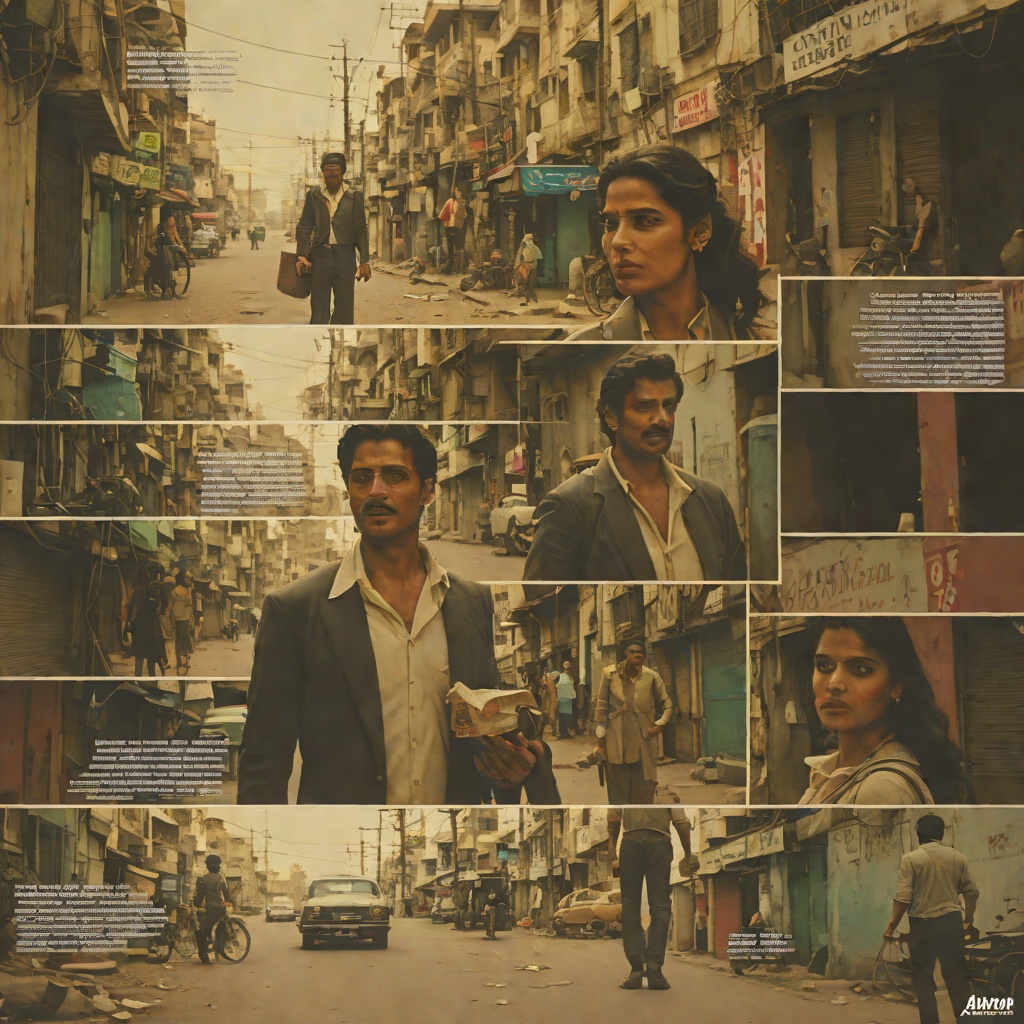
Mafia Queens of MumbaiIddat is the three-month period of mourning that Muslim widows follow after the death of their husbands. During this time, the women usually do not meet or talk to men outside their family. In the world of Mumbai's underworld that this book chronicles, iddat appears as a quiet but persistent presence, a religious and social constraint that frames the lives of women who otherwise operate far outside conventional morality. It is a measure of how these women—bootleggers, brothel madams, gangsters' wives, and convicted criminals—remain bound to the codes of their faith and community even as they transgress the law, and how the men around them, including the book's own narrator, invoke those codes to discipline or judge them.
Definition and Social Context
The book defines iddat explicitly when the narrator, a journalist, encounters a woman who refuses his help. After she says she does not like men touching her, the narrator responds harshly: "If that is so, then you shouldn't be with a stranger during your iddat period in the first place." The definition that follows is precise: iddat is the three-month period of mourning that Muslim widows follow, during which they usually do not meet or talk to men outside their family. The exchange reveals the double edge of the custom. On one side, it is a protective religious practice that shields a grieving widow from male contact. On the other, it becomes a weapon of judgment, a way for a man to shame a woman for being in a situation that the custom itself is meant to prevent. The narrator's own irritation at the woman's coldness turns into a rebuke that uses her faith against her, showing how even sympathetic observers can wield religious norms as instruments of control.
Iddat in the Lives of Widows and Wives
The most sustained treatment of iddat in the book comes through the story of Ashraf Khan, the wife of the gangster Mehmood Khan. When Mehmood is killed in a fake encounter at Santa Cruz airport, Ashraf is left a widow, and the narrative follows her through the immediate aftermath of his death. She learns of his killing only after a harrowing search through police stations, finally being directed to J.J. Hospital, where she is told that a wanted gangster named Mehmood Khan had been shot dead. She knows this is a lie—Mehmood could not have carried a gun past airport security—but her knowledge changes nothing. She identifies his body in the morgue, holds his lifeless fingers, and remembers the night before he left for Dubai, when he had made love to her passionately. The next day, Mehmood's body is buried at Nariawali Qabrastan, and Ashraf, not allowed inside the burial ground, waits stubbornly outside the masjid until all the rites are performed. Her widowhood is thus marked by a double exclusion: she is barred from the burial itself, and she is expected to observe iddat, a period of seclusion from men, even as she must navigate the world alone to uncover the truth of her husband's death. The narrator's later rebuke about iddat comes in this context, when Ashraf, now a widow, is trying to manage on her own and refuses his touch. The custom that is meant to protect her is used to chastise her for the very vulnerability it creates.
Iddat and the Broader Pattern of Female Suffering
The book's treatment of iddat resonates with other moments of female grief and violation that are not explicitly named as such but share its logic of isolating women in their suffering. Madhu, a sixteen-year-old sold into a brothel, is raped repeatedly by Jaggan seth, and after the assault she becomes "a stone—as good as dead," refusing to eat or drink and not acknowledging the people around her. Her withdrawal is not a religious observance but a psychological one, a self-imposed seclusion that mirrors the social seclusion of iddat. Similarly, Monica Bedi, imprisoned in Lisbon and then in India, describes years of isolation that take a toll on her: "There wasn't a single day when I was able to sleep peacefully. The years of isolation were taking a toll on me and the battle to survive was eating me from within." Her loneliness eventually drives her to Christianity, when a nun advises her to turn to the Bible, and she finds that its teachings have a soothing effect. The pattern across these stories is of women who are confined—by custom, by imprisonment, by the aftermath of violence—and who must find their own way through that confinement, whether by stubbornly waiting outside a masjid, by refusing to eat for sixteen days in police custody, or by converting to a new faith.
Iddat as a Measure of the Book's Moral Stance
The book's author explicitly frames the work as an attempt to understand the complex minds and psyches of women criminals, without glorifying them and without treating them as blank slates written upon by dangerous male mafia members. The presence of iddat in these stories serves as a reminder that these women were not only criminals but also members of a community with its own religious and social expectations. The narrator's own lapse—using iddat to rebuke a grieving widow—shows that even the book's sympathetic observer is not immune to the patriarchal assumptions that govern the world he describes. The book's stance is to record such moments without judgment, to let the contradiction stand: a woman who has lost her husband to a police lie is told she should not be with a stranger during her mourning period. The custom that is meant to honor her loss becomes another form of discipline, and the book's refusal to resolve that tension is part of its larger commitment to presenting these women's lives in all their complexity. Iddat, in this context, is not merely a religious practice but a lens through which the book examines how women in the underworld are simultaneously bound by faith, punished by law, and judged by the very men who claim to understand them.